
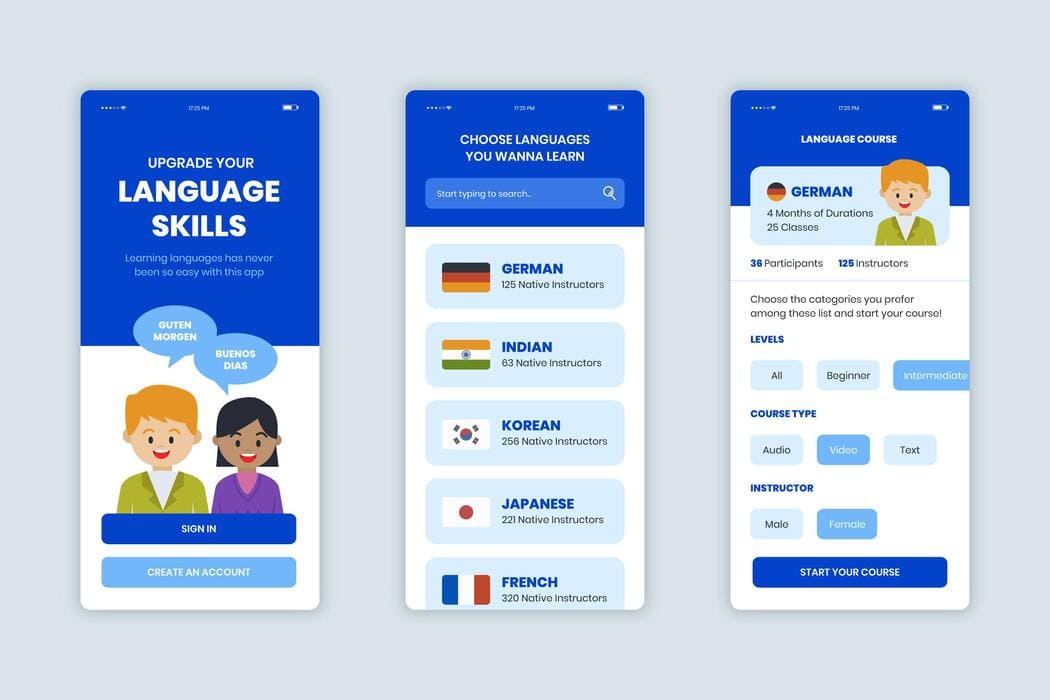
Digital tools are transforming every aspect of our lives, and language learning is no exception. From on‑the‑go micro‑lessons to AI‑powered pronunciation coaches, apps have reshaped how learners of all ages approach new languages. Instead of relying solely on traditional textbooks or classroom drills, modern learners now have flexible, interactive, and deeply personalized options in their pockets 24/7.
10 Powerful Ways Apps Are Transforming Language Learning
Today’s language apps blend technology, psychology, and education science to make progress faster, more engaging, and more measurable. Many of the same digital habits we use for productivity—calendars, reminders, even tools like an online invoice generator pdf for freelancers—now extend to how we practice vocabulary, grammar, and speaking skills, turning language learning into a streamlined, everyday workflow.
1. Learning Anytime, Anywhere
One of the biggest shifts is pure accessibility. Language apps remove the barriers of time and place, letting you study on your commute, during a coffee break, or while waiting in a queue. Instead of clearing a full hour for lessons, learners can break study time into short, focused sessions throughout the day. This flexibility helps busy professionals, students, and travelers keep consistent momentum, which is essential for building long‑term fluency.
2. Micro-Lessons That Fit Modern Attention Spans
Modern learners are used to consuming information in short bursts, and language apps are built to match that reality. Lessons are usually designed as 5–10 minute tasks, focused on a single skill or topic. This micro‑learning approach reduces overwhelm, increases completion rates, and allows for quick wins—small daily achievements that add up to serious improvement over time.
3. Gamification That Keeps You Motivated
Gamified elements—points, streaks, badges, and leaderboards—are more than just fun; they tap into deep motivational triggers. These features reward consistency, highlight progress, and turn practice into something users actually want to come back to. Whether you’re trying to keep a 100‑day streak alive or beat a friend on the weekly leaderboard, the game layer keeps you engaged long after the initial excitement of starting wears off.
4. Personalized Learning Paths for Every Level
Instead of forcing everyone through the same curriculum, many apps now adapt to your level, goals, and pace. Placement quizzes, adaptive algorithms, and intelligent review systems identify where you struggle and where you excel. This personalization ensures that beginners aren’t overwhelmed by complexity, and advanced learners aren’t bored by content they’ve already mastered. As a result, every session feels more relevant, efficient, and tailored.
5. Instant Feedback and Pronunciation Coaching
Pronunciation used to be difficult to improve without a human tutor, but speech recognition technology has changed that. Language apps can now listen to your voice, compare it with native speaker models, and give immediate feedback on sounds, stress, and intonation. This rapid correction loop helps learners fix mistakes early and gain confidence in speaking—something that’s nearly impossible with textbooks alone.
6. Real-World Context Through Multimedia
Modern apps rely heavily on audio, images, and even video to anchor new vocabulary in real‑world contexts. Instead of memorizing isolated word lists, learners see and hear how expressions are used in everyday conversations, business meetings, travel situations, or social media posts. This immersive exposure makes it easier to remember phrases and improves listening comprehension across different accents and speaking speeds.
7. Community-Based Learning and Social Features
Language learning doesn’t have to be lonely. Many apps offer community forums, group challenges, chat features, and direct exchanges with native speakers. These social tools enable learners to practice in low‑pressure environments, ask questions, and get cultural insights that no automated system could provide on its own. The sense of belonging also helps with accountability and long‑term engagement.
8. Integration With Daily Digital Routines
Because language apps live on the same devices as our calendars, email, and productivity tools, they integrate naturally into everyday digital workflows. You can schedule reminders, sync progress across devices, and pair language practice with other daily habits. For remote workers and digital nomads, this seamless integration makes it easier to balance language goals with work projects, client management, and personal tasks.
9. Data-Driven Progress Tracking
Apps make it simple to visualize progress with charts, streak counts, vocabulary totals, and skill assessments. Instead of guessing whether you’re improving, you can see concrete evidence of your growth. This data-driven feedback helps learners adjust strategies, focus on weak spots, and celebrate milestones. It also makes setting realistic, measurable goals—such as mastering a certain number of words per month—much more practical.
10. Affordable Access to High-Quality Education
Traditional classes or private tutors can be expensive and difficult to access in some regions. In contrast, language apps often use freemium models or low-cost subscriptions, giving millions of learners access to high-quality content that would have been out of reach a decade ago. This democratization of language education opens new opportunities for travel, study, and career advancement on a global scale.
Conclusion: A New Era of Flexible, Smart Language Learning
Language learning has moved far beyond paper textbooks and rigid classroom schedules. App-based tools now offer flexible access, micro‑learning sessions, personalized curricula, and tight integration with our digital lives. By combining artificial intelligence, multimedia, and social interaction, these platforms make it easier than ever to stay consistent and see real, measurable progress.
For learners willing to embrace technology, this new ecosystem turns every spare moment into an opportunity to practice, refine, and grow. Whether you’re preparing for a move abroad, expanding your professional skills, or simply exploring a new culture, app-powered language learning offers a practical, modern path to fluency that fits the way we live and work today.